









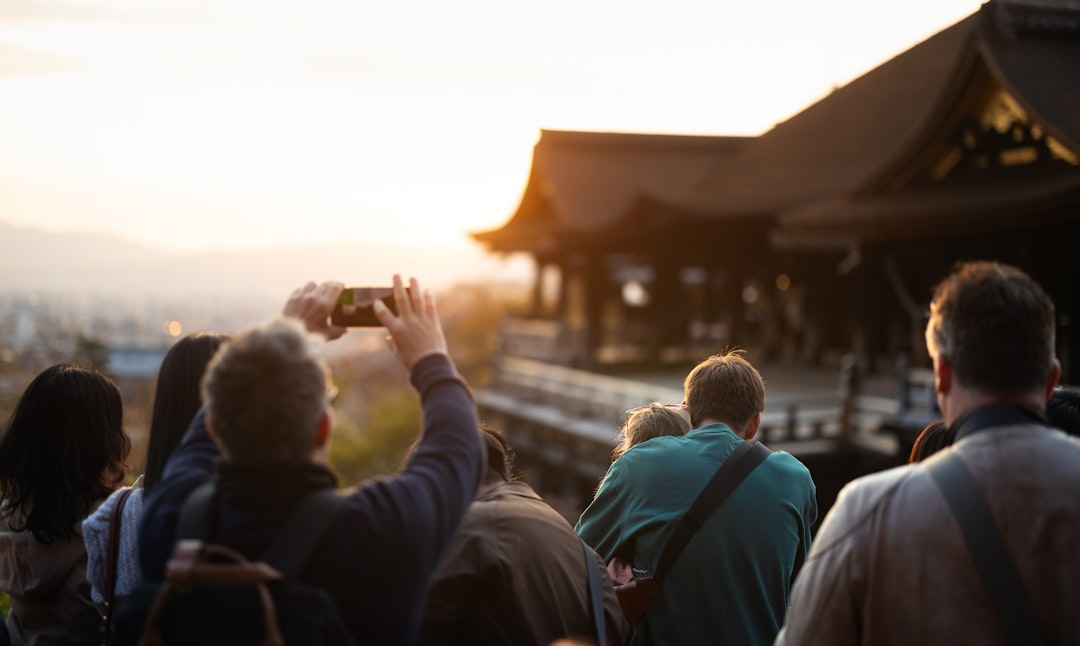
Japan is filled with amazing food and beautiful sightseeing spots. However, for many international travelers, facing a menu written only in Japanese or not knowing local dining etiquette can bring a little bit of anxiety to an otherwise wonderful trip.
When those moments happen, all you need to do is open a Generative AI app on your smartphone. It instantly becomes your personal, highly capable tour guide, accompanying you 24 hours a day.
This article introduces smart travel techniques using AI, explaining how international tourists can fully utilize camera and voice features to enjoy delicious Japanese meals and warm hospitality with complete peace of mind.
1. Just Point Your Camera! Read Japanese Menus Instantly via “Image Recognition”
In Japan, especially at hidden local gems or traditional Izakaya (Japanese pubs) tucked away in back alleys, English menus are rarely available. Moreover, handwritten menus can often be difficult for standard translation apps to read accurately.
When this happens, simply open an app like ChatGPT or Google Gemini, tap the camera icon, and take a photo of the menu.
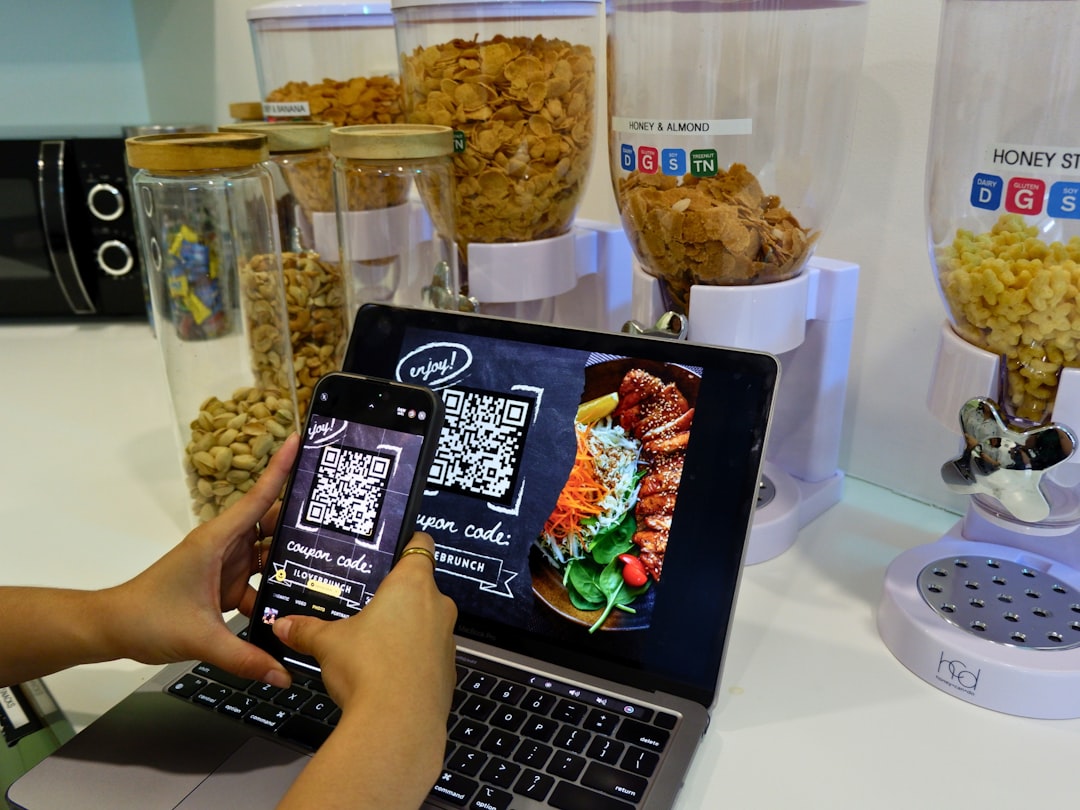
- Explaining Beyond Translation: Instead of just translating the words as “Tonkotsu Ramen,” the AI goes a step further to explain the dish: “This is a noodle dish with a rich, creamy soup made by simmering pork bones for a long time. The chashu topping is a tender slice of braised pork.”
- Checking for Allergies or Dietary Restrictions: If you upload a photo and say, “I cannot eat shrimp. Are there any dishes containing shrimp on this menu?”, the AI will scan the entire menu instantly and let you know, allowing you to enjoy your meal safely.
2. Talk Like a Real Phone Call! Smooth Communication with Shop Staff via “Voice Conversation”
There are many moments when you might want to ask the staff something directly, such as “Can I get a large portion?” or “Can we pay separately?”
The smartphone versions of ChatGPT (Advanced Voice Mode) or Google’s voice features (Gemini Live) allow you to exchange words at an amazingly natural, human-like speed.
- Using AI as a Real-Time Interpreter: If you speak into the microphone in your native language, saying “Can we pay separately?”, the AI will instantly speak out loud in clear Japanese, “Okaikei wa betsubetsu de onegai shimasu.”
- Simulating Before You Go: Before walking into a restaurant, you can say, “I am about to enter a Japanese Izakaya. Teach me a few standard phrases for ordering and practice them with me!” The AI will kindly help you practice your Japanese.
3. Solve Questions About Japan’s Unique Culture and Etiquette on the Spot
Japan has many unique cultural rules that might be unfamiliar to overseas visitors, such as how to enter a hot spring (Onsen) at a Ryokan, how to pray at shrines and temples, or the system of “Otoshi” (a small compulsory appetizer served as a seating fee at pubs).
If you ever feel unsure, you can easily ask the AI on your phone while riding the train to your next destination.
Examples of Questions to Ask:
- “How can I find a hot spring (Onsen) that allows people with tattoos?”
- “When eating at a sushi restaurant, is it better to dip the rice or the fish into the soy sauce?”
If you add the phrase, “Please summarize the important etiquette points into three simple steps for a first-time traveler to Japan,” the AI will give you an easy-to-read, concise response that you can understand at a single glance.
Summary: AI is a Kind Guide in Your Pocket
With the evolution of smartphones, traveling to a country where you don’t speak the language has become incredibly comfortable and secure. No matter the time of day, and no matter how many times you ask the same question, the AI will always patiently support you so you can experience the very best of Japanese hospitality.
If you have friends visiting Japan or if you are welcoming guests from abroad, be sure to tell them, “Use your smartphone AI as your personal travel guide!” It will surely make their journey through Japan much deeper and more memorable.
コメント